
From $0 to $10K/Month: How to Build a Successful Affiliate Site
Want a $10K/month affiliate site? This guide shows how to pick a niche, drive traffic, and scale your earnings step by step.
I built my first affiliate site thinking it'd be quick cash. Picked a niche I barely knew, pumped out generic "top 10" lists with Amazon links, and checked the dashboard every day like a kid waiting for birthday money. Six months later? Barely $300 total, most from random clicks. It stung. I almost quit. Then I narrowed the focus, started testing products myself, shared the messy realities (the ones that annoyed me or straight-up failed), and things slowly shifted. One site eventually crossed consistent $3k-5k months. I know others who've pushed past $10k, but not without years of showing up when the numbers looked dead.
In 2026, hitting $10k a month with an affiliate site is real for some folks, especially in spots like SaaS, AI tools, personal finance, or education where commissions stack nicely. But here's what most people don’t realize: the average productive webmaster sits closer to $4k monthly. Beginners often scrape $0-$1k for the first year. Intermediate ones (1-3 years in) might reach $1k-$10k. The $10k+ crowd usually has 2-5+ years, deep content libraries, strong search traffic, and a smart mix of one-time and recurring payouts. It's not a lottery ticket. It's more like planting a garden—you water consistently, pull weeds, and wait longer than you want before harvesting seriously.
Google's updates keep reminding everyone: thin, AI-slop content gets buried. Real experience, honest takes, and actual helpfulness win. I've seen friends burn out chasing every trend or trying to rank broad keywords against massive sites. The ones who make it pick a lane, solve specific pains, and treat the site like a slow-building business.
Why $10k/Month Is Tough (But Not Impossible)Let's get real with the numbers. Surveys and reports put beginners at $0-$1,000/month for the first 6-12 months. Many stay there or quit. Intermediate affiliates often land $1k-$10k once traffic compounds. Advanced ones clear $10k-$100k, with super affiliates going higher—though that's the tiny percentage with big audiences or teams.
Education and e-learning niches sometimes average higher (around $15k for established players). Finance or SaaS can pay well because one good referral (credit tools, software subscriptions) brings $50-$500+ or recurring monthly cuts. But 57% or more of affiliates still earn under $10k annually overall. Experience multiplies earnings—people with three years in can make 9x what beginners pull.
I remember a buddy who targeted "AI tools for small freelancers." He wasn't a coder, just someone juggling client work and testing what saved time. His first year: under $800 total some months. He wrote long guides with screenshots from his own chaotic workflow, pros/cons, and "who this actually helps." By year two, recurring commissions from a few SaaS programs started adding up. Not flashy, but steady. Another friend in hosting reviews hit similar traction after publishing real speed tests during peak traffic times. The common thread? They didn't fake expertise—they showed what they lived.
Choosing a Niche That Can Support Real IncomeBroad is the enemy. "Tech" or "health" is too noisy. Narrow to where you can own conversations: "AI writing tools for non-native English speakers," "web hosting for busy solopreneurs who hate downtime," or "budget productivity apps for parents with irregular schedules." In 2026, AI tools and SaaS keep printing because of recurring commissions. Personal finance, health/biohacking, and sustainable products also hold strong if you add genuine insight.
Here's my take: pick something you won't hate writing about in year three. I tried a generic gadget site once and ran out of steam fast. Switched to tools that helped my own freelance mess—irregular income, scattered tasks—and suddenly I had endless real stories. Check Reddit threads, forums, or comment sections. What problems make people complain loudest? That's your opening.
One guy I know focused on "best noise-cancelling setups for remote workers in noisy homes." He tested headphones during actual family chaos, included ugly real-life photos, and wove in affiliate links naturally. Traffic grew because it felt like advice from a friend, not a salesman. Niches with buyer intent (people searching solutions they’ll pay for) beat vague inspiration every time.
Building the Site Without OvercomplicatingKeep it simple. WordPress on decent hosting (nothing fancy at first—$5-10/month). Grab a clean, fast theme. Mobile-first everything, since most visitors come from phones. Buy a proper domain for trust. Set up basic SEO plugins and an email tool early—your list becomes your own traffic source when algorithms shift.
Don't obsess over design for months. I wasted time tweaking colors before publishing useful stuff. Launch imperfect. Make pages load fast—slow sites kill conversions dead. Add an "About" page with your real background, even if it's "regular person who tested these tools the hard way." Disclose affiliates clearly everywhere. It’s required and actually makes people trust you more.
Structure: homepage that shows value fast, clear categories, and easy navigation. Later, add comparison tables or free downloads that lead to recommendations.
A friend started with just a basic blog on productivity software. No custom bells. He focused on honest "after three months using this" posts. Eighteen months in, he layered in email sequences and hit better numbers because readers felt they knew him.
Content That Actually Ranks and Converts in 2026This is the make-or-break. Google’s updates (including the March 2026 core one) hit thin affiliate pages hard. They want E-E-A-T: real Experience, Expertise, Authoritativeness, Trust. Show you've used the stuff. Share screenshots, test results, what broke, what surprised you.
Formats that work:
- Deep reviews with your actual experience (flaws included—trust skyrockets).
- Comparisons: "Tool A vs B for [specific pain]."
- How-tos that solve problems and naturally suggest products.
- "My setup after six months" stories.
Use AI for research or rough drafts if it helps, but rewrite everything in your voice. Generic lists get summarized away or ignored. Long, useful posts (2,000-4,000 words when it fits) can rank for years if they help people decide.
I once wrote a rambling guide on tools for managing invoices when cash flow was tight. Included my ugly spreadsheets and the software that finally stopped the panic. It still brings traffic and commissions because it felt real. Publish consistently—aim for quality over spam volume, but enough to build momentum (a few solid pieces a month at first).
Update old content when things change. Fresh signals matter. Mix in video embeds or short demos if you like being on camera—people connect with faces.
Most people don’t realize: the big earners often have 100+ strong articles. It's boring work sometimes, but that library becomes an asset that earns while you sleep or handle life.
Getting Traffic That Turns Into SalesSEO remains the backbone for most $10k sites. Focus on helpful content that matches what people search when they're ready to buy. Target specific long-tail keywords early—"best AI tool for [exact problem]" instead of broad junk. Build topical authority around your narrow slice.
Other channels help: YouTube for walkthroughs, Pinterest for visuals, communities where you share value first (not links). Email lists let you recommend repeatedly to people who already trust you.
Paid traffic? Test small once you know what converts organically. Don't blow budget early.
One relatable story: A reviewer in the software space published weekly comparisons. SEO brought slow-but-steady search visitors after 9-12 months. He added short videos showing real use. Combined, it compounded because his audience saw actual tests, not stock images. Traffic hit levels where even modest conversion rates (1-5%) started meaning real money.
Track with free analytics plus your program dashboards. See which pages actually send sales and make more like them.
Picking Programs and Making the Money FlowDon't shotgun 50 programs. Start with 3-5 that fit. Mix Amazon or similar for volume with higher-paying or recurring ones (SaaS like Semrush, hosting, productivity apps, email tools). Recurring is the quiet hero—one $50/month signup at 30% can pay you month after month.
Weave links naturally: fix the problem first, then say "this one worked for me when I was struggling with X—here's current pricing." Always disclose.
Test what you promote when possible. Honest "this feature annoyed me but overall it helped" posts convert better than hype. Diversify later—maybe ads or your own small products—but affiliates first.
I know someone who crossed steady mid-four figures mostly from hosting and SaaS. He shared real launch-day crashes and recovery stories. Readers trusted him, clicked, and stuck with the tools. That trust turned into repeat commissions.
The Timeline No One Likes HearingBe brutally honest: $10k/month usually takes 18-36 months (or longer) of consistent effort for most who reach it. First 3-6 months: learning curve, low or zero income. Next 6-12: traffic builds slowly, maybe $500-$3k if you're lucky and consistent. Year two and beyond: authority grows, content compounds, optimization pays off.
Some hit faster with video momentum or existing audiences. Many never do because life gets in the way or they quit during the flat months. A site with 50k-100k+ monthly visitors and decent conversion plus good rates can get there, but it builds gradually.
One pattern I've seen: niches with higher payouts per sale (hosting, finance tools, certain SaaS) scale quicker than pure low-ticket volume.
Scaling Without Losing Your MindOnce momentum hits:
- Audit and update old posts.
- Create pillar content with supporting clusters.
- Build email funnels or free resources that gently lead to recommendations.
- Analyze data and cut what doesn't work.
- Bring in help (editing, research) if revenue justifies it.
But don't chase scale at the cost of burnout. I pushed too hard once and hated checking stats. Better to find a sustainable pace—maybe 2-4 quality pieces a month plus maintenance.
Common traps: promoting everything (trust dies), ignoring mobile, quitting before SEO really kicks in (often 9-12+ months), or copying what worked for others without your spin.
In 2026, with AI everywhere, your human edge—real tests, opinions, stories from actual use—still cuts through. Generic stuff gets filtered.
First 30-60 Days Plan (Start Messy)- Lock in your narrow niche and list why it fits you.
- Set up the basic site and join 2-3 solid programs.
- Write and publish 4-6 genuinely helpful pieces—solve pains first.
- Share in a couple relevant spots without hard-selling.
- Track what feels good or clunky and adjust.
- Build the habit. Consistency beats perfection.
Some weeks the analytics will look depressing. Other times an old post suddenly ranks and sends a nice payout spike. That's the weird rhythm of it.
I've watched regular people—full-time jobs, families, side chaos—build these into real income by staying honest and persistent. One started reviewing simple tools for home offices from her noisy apartment. Real photos, real frustrations. Slow at first, but search traffic and word-of-mouth grew it because other busy folks related.
$10k a month is a solid target, but the journey teaches skills that stick. Some months you'll question everything. Others, the deposits land and it feels earned in a way scrolling never does.
The site can even become sellable later if you want an exit. But the bigger win is proving you can create something that helps people and pays you for it.
If this clicks with you, start today. Pick the niche. Set up the basics. Write that first imperfect but useful post. Hit publish. See what happens.
The web in 2026 still rewards voices that cut through the noise with truth and experience. Yours might be exactly what someone's searching for. Go build it—one messy step at a time. The $10k (or your version of enough) comes from the days you kept going anyway.
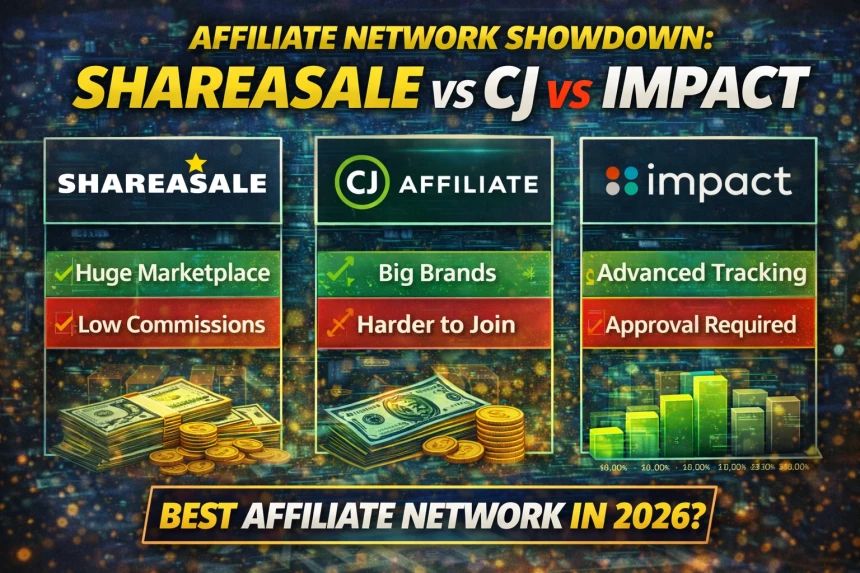
You can also check: ShareASale vs CJ vs Impact: Best Affiliate Network Compared (2026 Guide)